

A Way to Heal
Social Impacts
Andrew Fornier West Perth CouncilorMost of us have at least one in our lives - someone who has a bit more trouble with life than others. They might have injured their brain in a car accident or a simple fall, suffer from a mental illness, or have or have had a problem with substance use.We all know these people;they are our kids, our friends, our parents, our neighbours.They might be us. They are certainly me.
I cracked my skull at age 13 by falling off a play structure at my school, and the former inhabitant of my brain went away forever. I don’t remember much before age 20, and memories are pretty spotty until 25 or so.
There are some people reading this who know exactly what that is like. A high five and a hug to you all. We are still here.
I have mental health issues because of that injury, and with it and a family history of depression I have a hard time getting through most any day. I forget things constantly, and staying here (if you know what I mean) is a daily struggle.
There are some people reading this who know exactly what I mean. A high five and hug to you too. It is genuinely really hard, but we are still here.
I lived through addiction, because I couldn’t deal with the struggle of living in my own head. Living addicted is rough, and quitting took everything. Even after getting clean, I still had to live with withdrawal sweats every night for nearly a decade.Again, (and this one makes me grieve), there are people reading this who know exactly what I am talking about. We are still here, here and missing all our friends who didn’t make it.
There are parents and siblings and family and friends reading this who knew what was happening and couldn’t figure out how to help. Please hear me – it was not, and is not, your fault. By existing, and caring – you did help. Getting helped is just plain harder than trying to help. Getting better has to come from some inner part as well, and (former addicts will understand this) an addict isn’t going to get clean until part of them makes them do it.
See, the thing is that people like us just get arrested more often than other people. With traumatic brain injuries in particular, there is a lack of emotional and impulse control, and an increase in aggression. There are also mental health problems and an increase in substance use. When you don’t fit in, aren’t comfortable being in your own head, and don’t understand other people properly,it is not hard to end up in cuffs. And after arrest, there is a whole new set of problems to solve, and everyday life was already too hard.
Part of being here and being human is that we expect others to behave rationally, while knowing ourselves to be irrational. We all know that we make bad choices, snap decisions, and sometimes do what our emotions and impulses dictate, not what is right, or good for us.
We all need to know that we all do this. We can’t ever see into someone else’s mind, we can only see what they do, and hear what they say. We can’t see the addict begging themselves to stop, while they continue. We can’t see that a brain damaged person is drowning in life, and showing anger as they try to stay alive.
But we can know and understand that we can’t. We can try to help, and even a smile and a pleasant hello can be a help to a person in crisis. There are other ways we can help, and I know you all; the families who lived through struggles like mine, and my friends-not-met (we would be friends, we can understand), want to help as well.
Because I am still here, I have work to do, and I found a way that I can help and do that work.
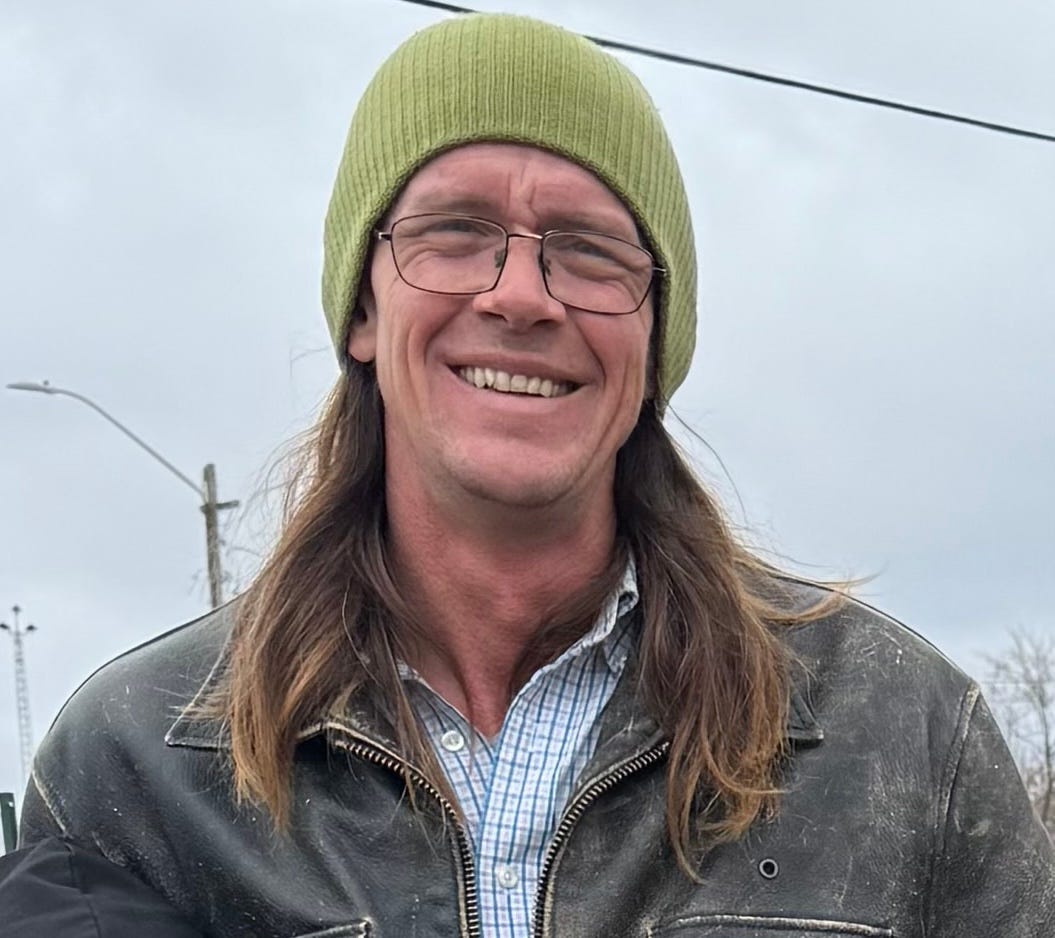
Two years ago, because of my lived experience overcoming addiction and brain damage, I was invited to join the local Human Services and Justice Coordination Committee. If your response to that is “What the heck is that?” you are in good company.
The Human Services and Justice Coordination Committee brings together a wealth of experience from Government Ministries, and Societies and Associations that have a duty to assist the people of our province. It includes representatives from:
The Ministry of Children
Community and Social Services
Ministry of the Solicitor General
Ministry of Health, Ministry of the Attorney General
Correctional Service of Canada
Canadian Mental Health Association
Community Networks of Specialized Care
ConnexOntario, Forensic Directors Group
John Howard Society of Canada, Justice for Children and Youth
Legal Aid Ontario
Local Health Integration Networks,
Ontario Association of Chiefs of Police, and the Ontario Provincial Police.
Quite the list, I know. Trying to follow and keep up with the conversations in the meetings is a serious challenge for me. Most committee members are professionals in their field, trying to do their best to help our community and our friends and families. Often, I have to research the items of discussion before and after the meeting, just to keep up.
The Human Services and Justice Coordination Committee makes a place for these groups to talk, and share results, and form collaborations. Collaborations that you see affecting the community around you.
Take Mobile Crisis Response Teams, as one small example. If someone is in crisis and the police are involved, treatment and help may be a better response than incarceration.
Or even closer to home, for some of us. Our County OPP carry “comfort kits”, meant to aid the unhoused, and the precariously housed. These kits include things like: hats, gloves, scarves, food, water and blankets. They also contain gift cards for Tim Hortons and for local pharmacies and transit. Comfort Kits are a small thing, and there is much work to do, but they are a step in the right direction.
Through these collaborations, there is even a budget to buy boots for those who are trying to get back into the workforce and cannot afford the upfront costs. Not much can be more “boots on the ground” than actual boots.
The Human Services and Justice Coordination Committees also include people with lived and living experience, like me. Experience of that painful list of life happenings and life choices that I made earlier. Our job is to advise and guide and help the courts and police and support services understand who we are, what we are experiencing, and how badly we not only need help, but want to help – and how we are also people, not just a problem to be solved.
We are making a difference. It’s not fast, it’s not easy, and it takes a lot of work, but that sounds like normal life to me.
At the beginning of this May, I had an opportunity to help again with this work and was one of the speakers at the Provincial HSJCC Conference in Toronto. I was there as one of the Lived and Living Experience Representatives, speaking directly to people like Mark Campbell, who is the President of the Ontario Association of Chiefs of Police and the Chief of Police for Strathroy-Caradoc.
Part of my job is also to see Mark as a person, not just an authority figure, and to be able to speak clearly about my experiences and to offer my perspective and advice on what needs to change.
It can be intimidating, even for me, to be open and honest, and vulnerable. That vulnerability can sometimes fuel some people’s justification for looking down on, or shunning people like me. Fortunately, part of my deal with myself when I was getting clean was that I would always be open and honest, wherever, whenever, and however I could help.
It’s a rough deal sometimes, but also a good one. Sometimes I find out that it has helped someone who needed to feel understood, and that makes it worthwhile. Chief Campbell and I had a chance to talk after I spoke, and I found out that he not only sympathized, but also agreed with and already had started working on some of the issues that I think need changing.I also got to see some of my colleagues in person, especially Ally Stevenson, our HSJCC Engagement and Communication Specialist. She is a big part of the behind-the-scenes work, pulling all these Ministries and Associations and people together so we can work with each other, and create new and needed collaborations.
I asked her to send me a brief biography of who she is, and what and why she does what she does. I know that it can be hard for all of us to see the people who work in government structures as being people too, and I want to introduce her to you.
Hi! I’m Ally, the HSJCC Engagement and Communications Specialist with the Canadian Mental Health Association, Ontario Division. The Human Services and Justice Coordinating Committee (HSJCC) Network is something I did not know existed until I came across the opportunity to work with CMHA Ontario. Since then, I have come to really appreciate the role it plays in bringing together partners across the human services and justice sectors to better coordinate, plan, and support people with complex needs who come into contact with the justice system.
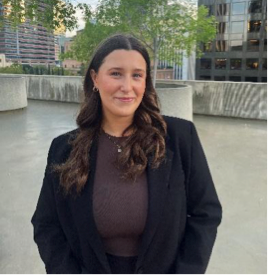
What first drew me to this work was my experience working frontline at the Ontario Addiction Treatment Centres (OATC) in Hamilton, Ontario. I started that role during the pandemic, supporting individuals seeking opioid agonist treatment. It was incredibly meaningful work, but it was also very challenging. It gave me a deeper understanding of the barriers people face when navigating complex systems, and it helped shape my passion for supporting change through research, collaboration, and systems-level work.
This led me to pursue a master’s degree in forensic psychology, where my research focused on community reintegration and the experiences of individuals leaving custody. Through this work, I had the privilege of conducting two research studies in collaboration with the John Howard Society of Durham. I remain very grateful for their openness and partnership. That experience reinforced how important it is to bridge community-based knowledge and academic research, especially when the issues being studied directly impact community members.
After graduating, I began working with CMHA Ontario, which has given me a broader perspective on how systems, policies, and community partnerships connect. In my current role, I support engagement across the HSJCC Network by helping to build awareness, strengthen communication, and share knowledge across the province. I also support webinars, conferences, and other knowledge exchange activities that highlight the work happening across Local and Regional HSJCCs.
I’m grateful for the opportunity to share a bit about myself.
- Ally Stevenson
Whether you are a person with lived and living experience, a family member who had to witness and suffer alongside another’s suffering, or a professional like Mark Campbell or Ally Stevenson – we do have a voice in changing how our community works, how the courts treat people, and what the police policies are. If your voice wants to speak, speak. If your voice needs to yell, well, sometimes yelling is exactly what is needed.
If you want to help, or speak, or yell, (and I hope you do)-email me at fournier.andrew@gmail.com or contact your local HSJCC and offer to assist.
Peace, Andrew Fournier
Thanks for reading! This publication is free, so please share it! Tangible copies are available at various locations across West Perth! See our website for a list of current locations.